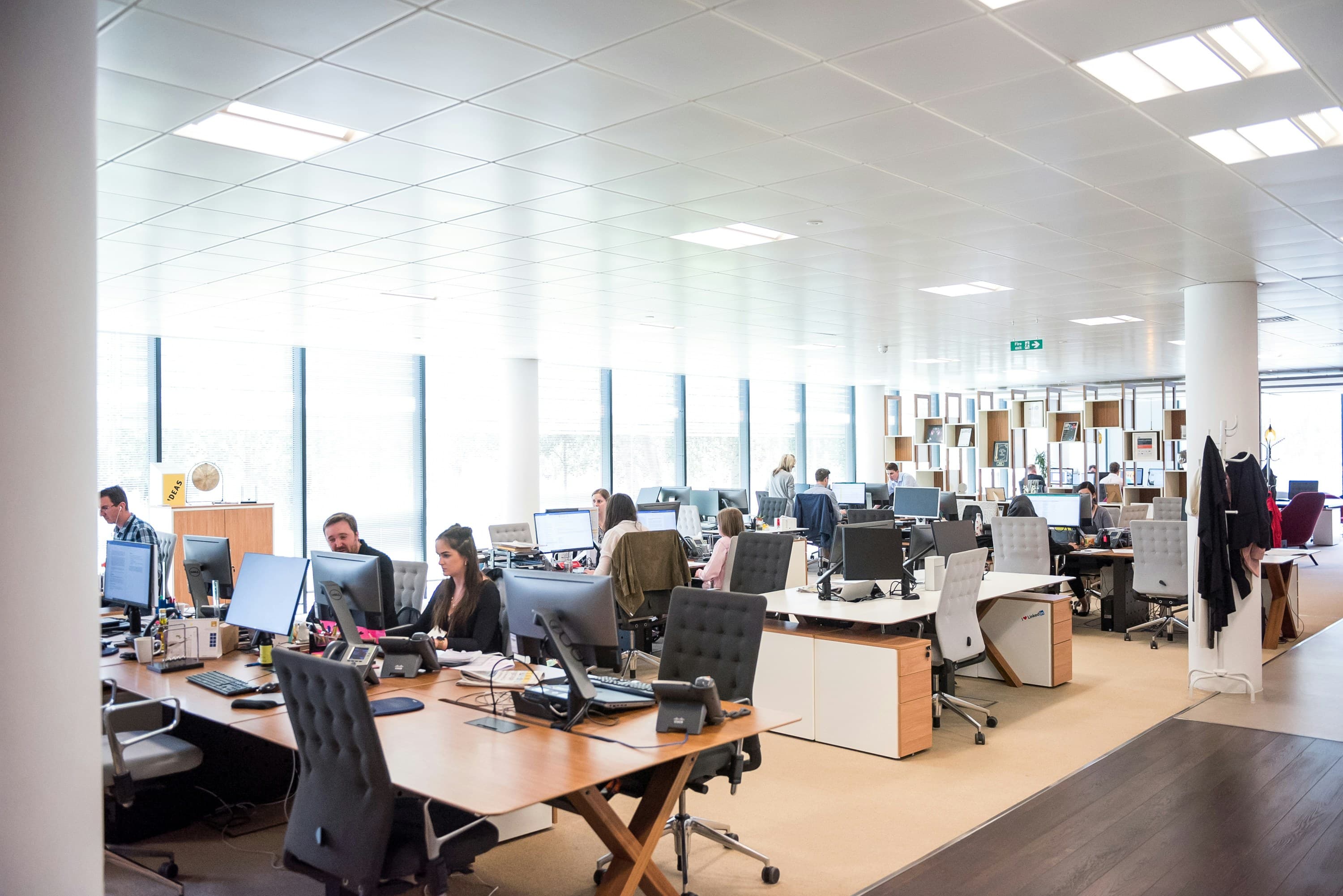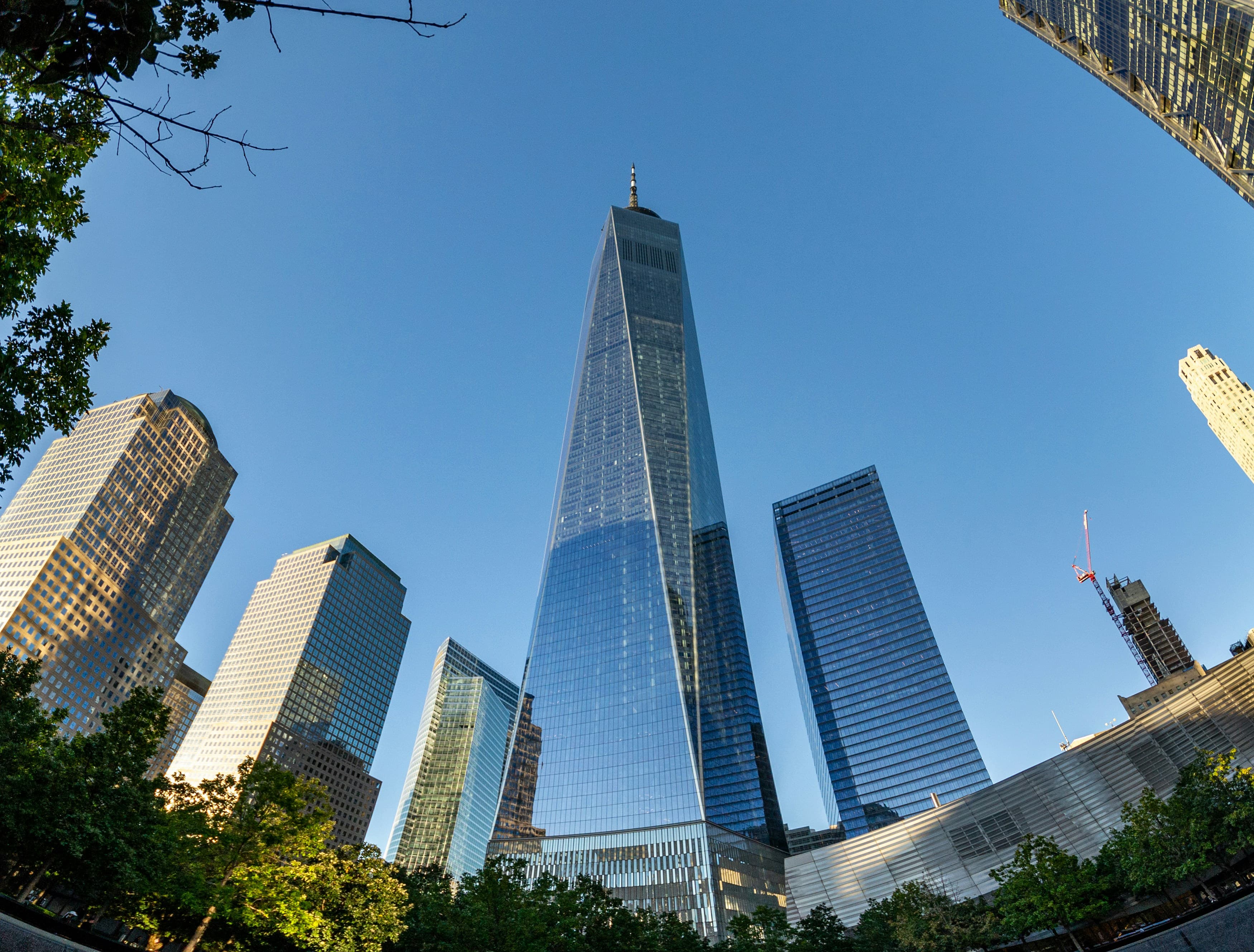
Office space in Midtown Manhattan typically rents for $65–$110/sqft/year depending on building class, floor, and exact submarket, making it one of the priciest but most transit-accessible office corridors in the U.S. A 10-person startup needs roughly 1,200–1,500 sqft, which translates to $8,000–$14,000/month in aggregate rent. If you're weighing Midtown against other Manhattan neighborhoods, transit access and building prestige often justify the premium for client-facing teams.
---
Is Midtown Manhattan the Right Neighborhood for Your Startup's Office?
Midtown is not a monolith. The area stretching from 34th Street to 59th Street contains everything from Rockefeller Center-adjacent trophy towers to scrappier prewar buildings on side streets where a 15-person startup can land a genuinely good lease. The mistake most founders make is writing off Midtown as "too corporate" without actually shopping it — or assuming it's accessible without understanding which submarkets actually favor small tenants.
The honest answer: Midtown works best if you need a professional address for investor or client meetings, want Penn Station or Grand Central within walking distance, and are willing to trade some neighborhood "vibe" for transit convenience and building quality. If your team is commuting from Brooklyn, New Jersey, or Westchester, Midtown is often just the most practical hub.
It works less well if your recruiting pitch depends heavily on a SoHo loft aesthetic or a Flatiron startup ecosystem. Those neighborhoods pull a different kind of talent. But if your priorities are transit, square footage per dollar relative to premium downtown neighborhoods, and a credible business address, Midtown deserves a serious look.
The submarket also matters enormously. Grand Central, Penn Station, and the Avenue of the Americas corridor each have distinct inventory profiles, price ranges, and building types. We'll break those down below.
---
What Office Space in Midtown Actually Costs
Pricing in Midtown spans a wider range than most founders expect. Here's a realistic breakdown by submarket and building class as of early 2026:
|
Submarket |
Building Class |
Typical $/sqft/year |
~Monthly rent, 1,500 sqft |
|---|---|---|---|
|
Grand Central / Park Ave |
Class A Trophy |
$95–$130 |
$11,875–$16,250 |
|
Grand Central / Park Ave |
Class B |
$70–$90 |
$8,750–$11,250 |
|
Penn Station / 34th St |
Class A |
$75–$100 |
$9,375–$12,500 |
|
Penn Station / 34th St |
Class B/C |
$55–$75 |
$6,875–$9,375 |
|
6th Ave / Rock Center |
Class A |
$90–$115 |
$11,250–$14,375 |
|
Midtown South (28th–34th) |
Class B |
$60–$80 |
$7,500–$10,000 |
A few things worth flagging:
Rentable vs. usable square footage. Midtown buildings — especially older Class A towers — often have loss factors of 25–35%. A space listed at 1,500 rentable sqft might only give you 1,000–1,100 sqft of actual usable area. Always ask for the usable figure before doing your per-person math.
What's included. Most Midtown leases are quoted on a full service gross basis, meaning electricity, HVAC, and building services are bundled in. But HVAC overtime — nights and weekends — is almost always billed separately. If you're a startup with engineers who work late, that can quietly add $500–$2,000/month you didn't budget for.
Lease length. Class A landlords in Midtown strongly prefer 3–5 year commitments from established companies. If you're targeting 12–24 months, you'll have better luck with Class B buildings, sublease opportunities, or the Midtown South corridor near 28th–34th Streets.
For broader context on employment trends driving office demand in Manhattan, the U.S. Bureau of Labor Statistics regional economic data is worth a look.
---
The Best Midtown Submarkets for Startups
Grand Central: Prestige Address, Side-Street Value
The Grand Central submarket — roughly Lexington to Madison Avenue, 42nd to 50th Streets — is Midtown's prestige corridor. Buildings like 350 Park Avenue, 299 Park, and 237 Park define the skyline here. These are primarily large-floor-plate Class A towers aimed at financial services firms, law firms, and multinationals.
For startups, the play isn't the trophy towers. It's the side-street Class B buildings on 44th, 45th, and 46th Streets between Lex and Third Avenue. These buildings have smaller floor plates (3,000–8,000 sqft per floor), older but functional buildouts, and landlords who are more willing to do a 12–18 month deal. Rents in this tier run $70–$90/sqft/year, and you still get a legitimately impressive mailing address.
Penn Station: Underrated and Underpriced
This corridor is consistently underrated. The area between 7th and 8th Avenues, 34th to 38th Streets, has a mix of older commercial buildings with real character and some newer purpose-built office product. You're steps from Penn Station — Amtrak, NJ Transit, LIRR, A/C/E, 1/2/3 — which is a meaningful advantage if your team is scattered across the metro area.
Office space near Penn Station is consistently priced lower than the Grand Central corridor. Class B space often comes in at $55–$75/sqft/year, and subleases from companies that downsized post-2020 are available here, sometimes with furniture and existing infrastructure included. For a seed-stage team that needs a real office without a trophy-building budget, this corridor is worth a close look.
6th Avenue and Rockefeller Center: Mostly for Subleases
The Avenue of the Americas corridor (47th–55th Streets) is primarily media and finance territory — 30 Rock, 1221 Avenue of the Americas, 1251 Avenue of the Americas. Rents are high ($90–$115/sqft/year), floor plates are enormous, and deals favor large tenants. That said, startups occasionally land subleases from media companies here, which can be a compelling option if the timing aligns and you're comfortable with a fixed term.
---
What Types of Office Leases Are Available in Midtown?
You'll run into three main lease structures when searching in Midtown. Understanding them upfront saves a lot of time.
Private leases are the standard: you sign directly with the building's landlord for a dedicated suite. In Midtown, this typically means a 24–60 month commitment, a formal Letter of Intent (LOI) process, and some negotiation on tenant improvement allowances (TI) — money the landlord gives you to build out the space. For well-capitalized startups (Series A+), this gives you the most long-term flexibility and full control over the space.
Subleases are common in Midtown because so many large companies downsized their footprints after 2020. You're stepping into another company's lease, which means the term is fixed, the buildout is already done (often in your favor), and you can sometimes move in within 30–60 days. The catch: you need the head landlord's approval, and your negotiating leverage is limited.
Shared spaces — where one company with extra square footage brings in a second tenant — are less common in Midtown than in startup-heavy neighborhoods like Flatiron or NoMad, but they do exist. These typically have simpler agreements, shorter terms, and lower deposits.
For a deeper breakdown of the end-to-end leasing process, strategic leasing for startups in NYC covers NYC-specific strategy for small startups in detail.
On deposits: with a Good Guy Guarantee, expect roughly 3 months' rent upfront. Without a personal guarantee from founders, Class A landlords in Midtown often want 4–6 months. The Small Business Administration's guide to commercial leasing is a useful primer on lease terms if you're doing this for the first time.
---
What to Actually Look for in a Midtown Office Space
Price per square foot is just the start. Here's what experienced founders pay attention to:
Transit access. Midtown's core advantage is sitting within walking distance of Grand Central (4/5/6, S, Metro-North) and Penn Station (NJ Transit, LIRR, Amtrak, multiple subway lines). Confirm which lines are genuinely walkable from the specific building — "near Midtown" can mean a 12-minute walk to the nearest express stop.
Building hours and HVAC. Many Midtown commercial buildings run HVAC Monday–Friday, 8am–6pm or 8am–7pm. Overtime HVAC is billed at $150–$400/hour per zone. If your team works evenings or weekends, negotiate HVAC terms explicitly before signing — this is one of those costs that can sneak up on you.
Internet and infrastructure. Verify what fiber providers service the building. In older Midtown buildings, installation timelines of 6–10 weeks for a new fiber circuit are common. If you're trying to move in quickly, this is a real operational risk worth checking early.
Floor and natural light. Midtown's dense street grid means lower floors in many buildings get minimal direct light. If natural light matters to your team, push for a higher floor or a corner suite and check the building's floor-area ratio and setbacks so you know what you're actually getting before you sign.
Lobby and building presentation. For a client-facing startup, the lobby is part of your first impression. Well-managed Class B buildings with maintained lobbies can punch well above their price point here.
If you're still working out how much space you'll actually need as the team grows, how to estimate office square footage for a scaling team walks through the sizing math in detail.
---
How Midtown Rents Compare to Other Manhattan Neighborhoods
Here's how Midtown stacks up against the neighborhoods founders most commonly consider:
|
Neighborhood |
Typical $/sqft/year |
Startup Ecosystem |
Transit Score |
|---|---|---|---|
|
Midtown (Class B, side streets) |
$60–$90 |
Moderate |
★★★★★ |
|
Flatiron / Union Square |
$75–$105 |
High |
★★★★☆ |
|
NoMad / Chelsea |
$65–$95 |
High |
★★★★☆ |
|
SoHo / NoHo |
$85–$120 |
Moderate |
★★★☆☆ |
|
Tribeca |
$80–$115 |
Moderate |
★★★☆☆ |
|
$55–$80 |
Low–Moderate |
★★★★☆ |
|
|
DUMBO (Brooklyn) |
$50–$75 |
Moderate |
★★★☆☆ |
Midtown's real competitive advantage is transit density. No other Manhattan submarket sits equidistant between two major rail terminals with this many subway lines converging. For teams where easy commuting is the primary constraint, that's a genuine differentiator.
Metro New York has one of the highest public transit commuting rates in the country, according to U.S. Census Bureau data on commuting patterns. That makes central transit access a more meaningful office-selection variable here than in almost any other U.S. market.
---
The Leasing Timeline: How Long This Actually Takes
Founders consistently underestimate how long the leasing process takes. Here's a realistic picture:
- Search and touring: 2–4 weeks (Midtown has substantial inventory, so this phase moves reasonably fast)
- LOI negotiation: 1–2 weeks
- Lease negotiation: 3–6 weeks for a standard private lease (longer for complex deals)
- Landlord approval and buildout: 4–12 weeks depending on what work is needed
- Total elapsed time: 10–22 weeks from first tour to move-in for a new private lease
Subleases move faster — sometimes 4–8 weeks total if the space is already built out. Shared spaces can be as quick as 2–4 weeks.
Start your search at least 3–4 months before your target move-in date. If you're coming off a lease expiration or a sublease that's ending, earlier is always better. Don't give yourself less than 90 days.
NYC's Department of City Planning publishes zoning and land use data that can be useful context if you're evaluating whether a specific building's permitted uses align with your operations.
---
How Tandem Helps Startups Find Office Space in Midtown
Tandem is a concierge leasing platform built specifically for startups searching for office space in Midtown Manhattan and across NYC. You can browse private offices on Tandem to browse available private offices, subleases, and shared spaces with real pricing — not inquiry forms.
Here's how it works: Tandem sources spaces, coordinates tours, helps you draft an LOI, and supports lease negotiation. You sign directly with the landlord or host company — Tandem is not a party to the lease. The service is free to tenants; Tandem is paid by the landlord side of the transaction.
For a 10–30 person startup weighing Midtown against Flatiron or NoMad, Tandem's team can help you model the actual cost difference — accounting for real loss factors and the hidden costs that don't show up in the headline rate — and move faster through a process that's notoriously opaque for first-time tenants. Browse available offices on browse private offices on Tandem and filter by neighborhood, size, and lease type.
---
Midtown rewards founders who come in with specifics: the right submarket, a clear handle on the loss factor math, and enough lead time to actually negotiate. The range from Penn Station's value-tier Class B buildings to Grand Central's prestige corridors means there are genuinely viable options for startups at different stages. The work is knowing which tier fits your team's size, budget, and timeline.
Last updated: March 2026