Choosing between flexible office space and a traditional lease in Boston is a strategic decision that hinges on your company’s current stage, growth predictability, and operational priorities. In the 2026 market, this choice often represents a tradeoff between immediate speed to market and long-term control over a permanent brand hub.
Overview of Flexible Office Space
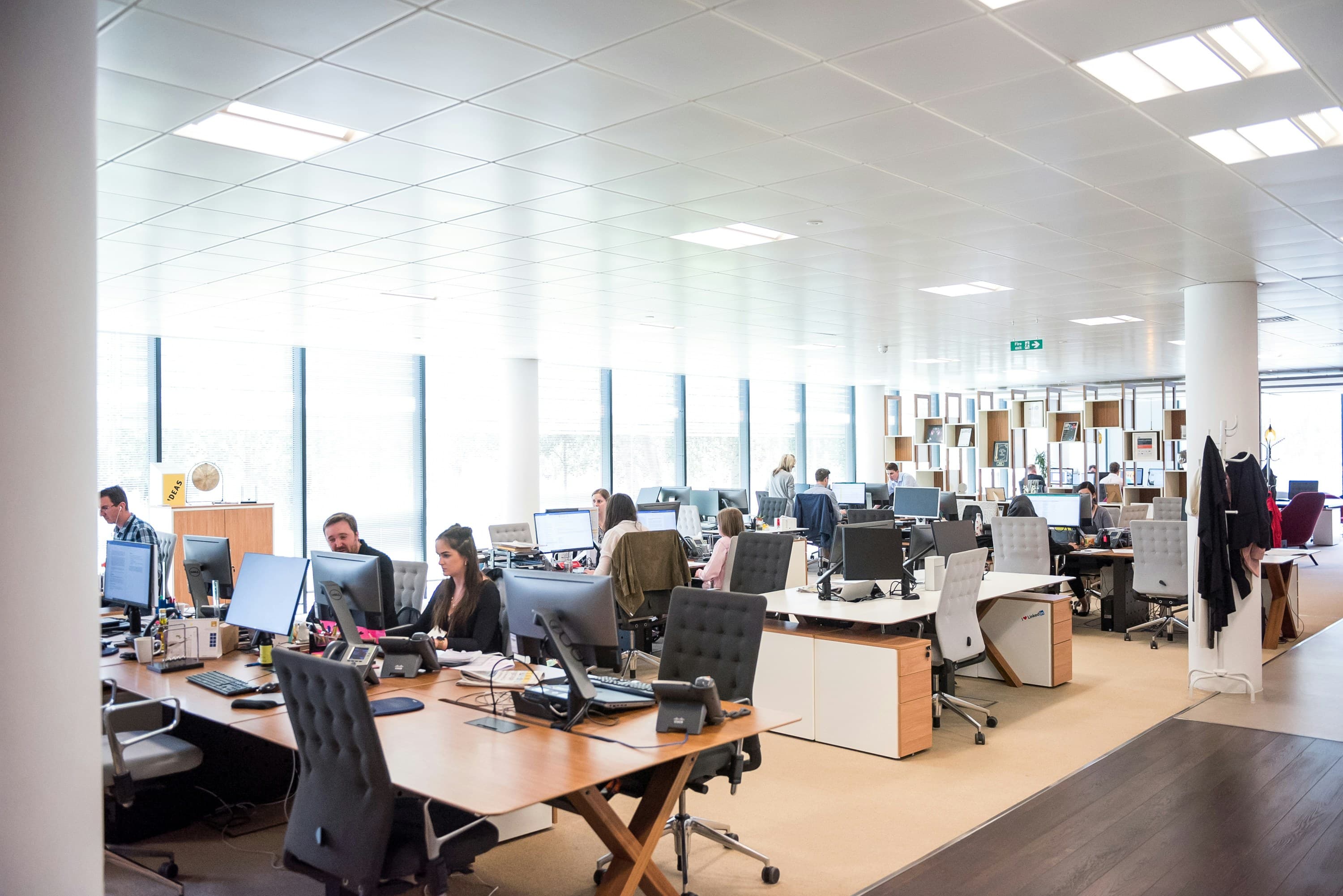
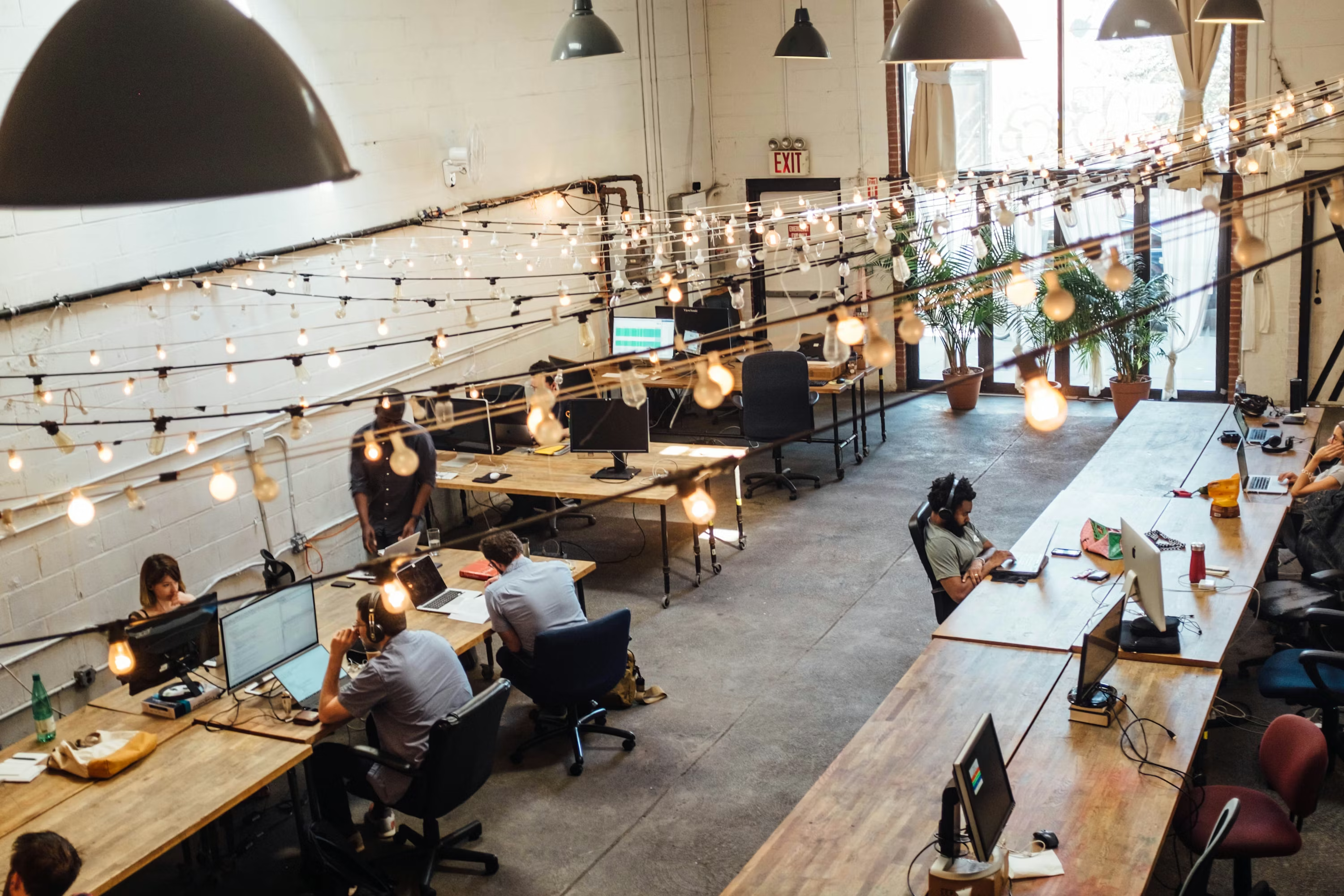
Flexible office space in Boston refers to fully furnished, turnkey workspaces ranging from private suites to shared coworking environments.
- Lease Terms: These spaces offer maximum agility with month-to-month or short-term commitments, typically ranging from 3 to 12 months.
- Speed to Occupancy: Move-in timelines are fast, often 2 to 4 weeks, compared to 3 to 6 months for a traditional build-out.
- All-Inclusive Model: Monthly fees bundle rent, furniture, utilities, high-speed internet, janitorial services, and shared amenities.
- Cost Savings: Companies avoid most upfront build-out and furniture costs, which can run $20 to $150 per square foot for an unfurnished space.
Overview of Traditional Lease
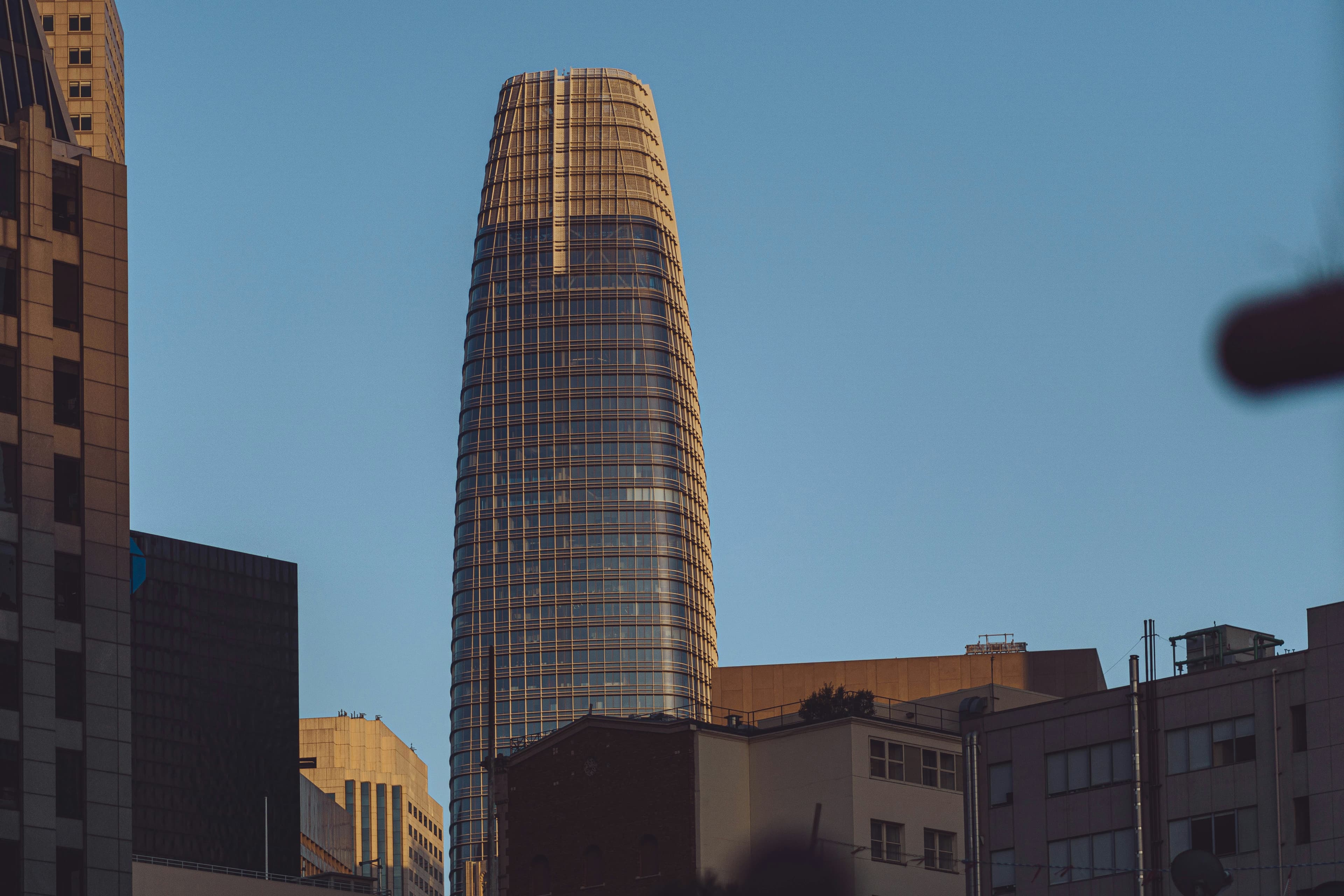
A traditional lease involves a direct agreement with a landlord for a fixed term. Landlords often ask for 3 to 5 years, though startup-sized suites in Boston commonly go 12 to 24 months.
- Lease Commitments: Longer terms provide stability and more negotiating leverage on rent and concessions, but less flexibility to pivot.
- Customization and Control: Tenants have full control over branding, layout, and dedicated infrastructure, which is ideal for established firms with stable headcounts.
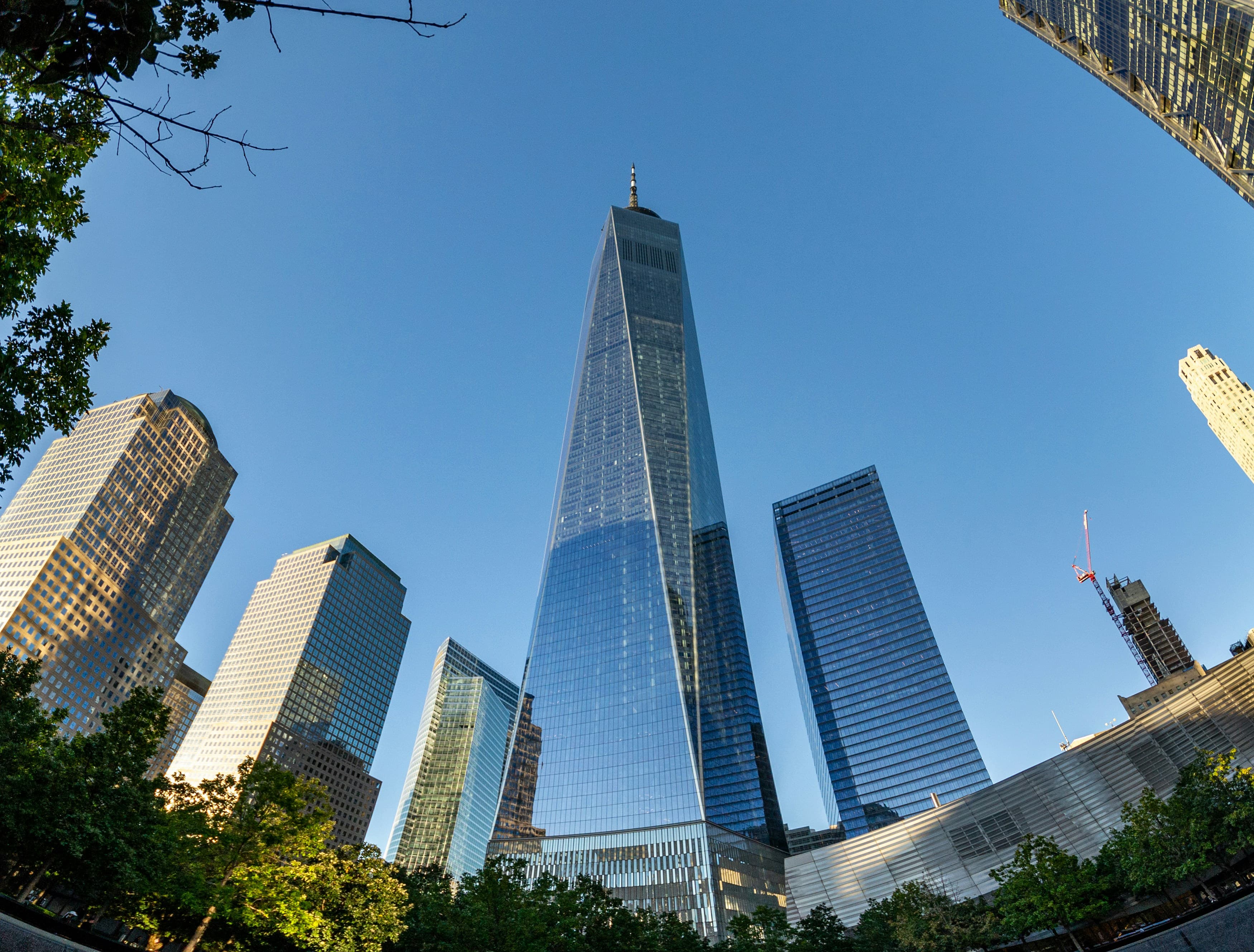
- Concessions: In 2026, landlords for Class A and "Trophy" assets in Boston are increasingly offering free rent as a preferred concession over cash-intensive tenant improvement (TI) allowances due to rising construction costs.
- Market Trends: Direct leases have recently gained a larger share of the Central Business District (CBD) market as pandemic-era subleases expire.

Comparison of Costs
- Flexible Space: Lower upfront costs and predictable all-inclusive monthly pricing.
- Traditional Lease: Significant upfront costs, including security deposits and build-out. Base rent alone runs about $6,750–$11,250 per employee per year at 150 sq ft per person and $45–$75 per square foot, before utilities and maintenance.
- Effective Rent: Over a 5-year term, traditional leases often provide a lower "net effective rent" as the initial build-out costs are amortized.
Comparison of Flexibility and Lease Terms
- Scalability: Flexible spaces allow for rapid expansion or contraction, which is essential for the 60-70% of organizations now operating under hybrid work models.
- Lease Duration: Office lease terms have shortened since 2020, and startup-sized private leases now often run 12 to 24 months. The median Tandem private-office deal signed since July 2025 was 17 months.
- Availability: Overall office availability in Boston remains elevated at approximately 15%, providing tenants with significant leverage in negotiations for both flex and traditional terms.
Conclusion and Recommendations
Choosing the right model in 2026 requires balancing agility with stability. Flexible options mitigate the risks of uncertain growth and high upfront costs, while traditional leases in Class A "Trophy" buildings remain the gold standard for established corporate identity. Founders should model their projected headcount over 24 months—if growth is expected to vary by more than 20%, a flexible workspace strategy is likely the more resilient choice.
Last updated: October 2026
This post was created with the assistance of AI tools. All content was reviewed by the author.