NYC's nicest office buildings combine landmark architecture, premium amenities, and startup-friendly lease structures — typically running $65–$95/sqft/year for private space in top Flatiron, SoHo, and NoMad buildings. The right building signals credibility to investors and candidates from day one. This guide covers what actually makes an office building "the nicest" for a growing startup, which Manhattan neighborhoods to target, and what to expect when you negotiate a lease in a premium building.
---
What Makes an Office Building "Nice" for a Startup?
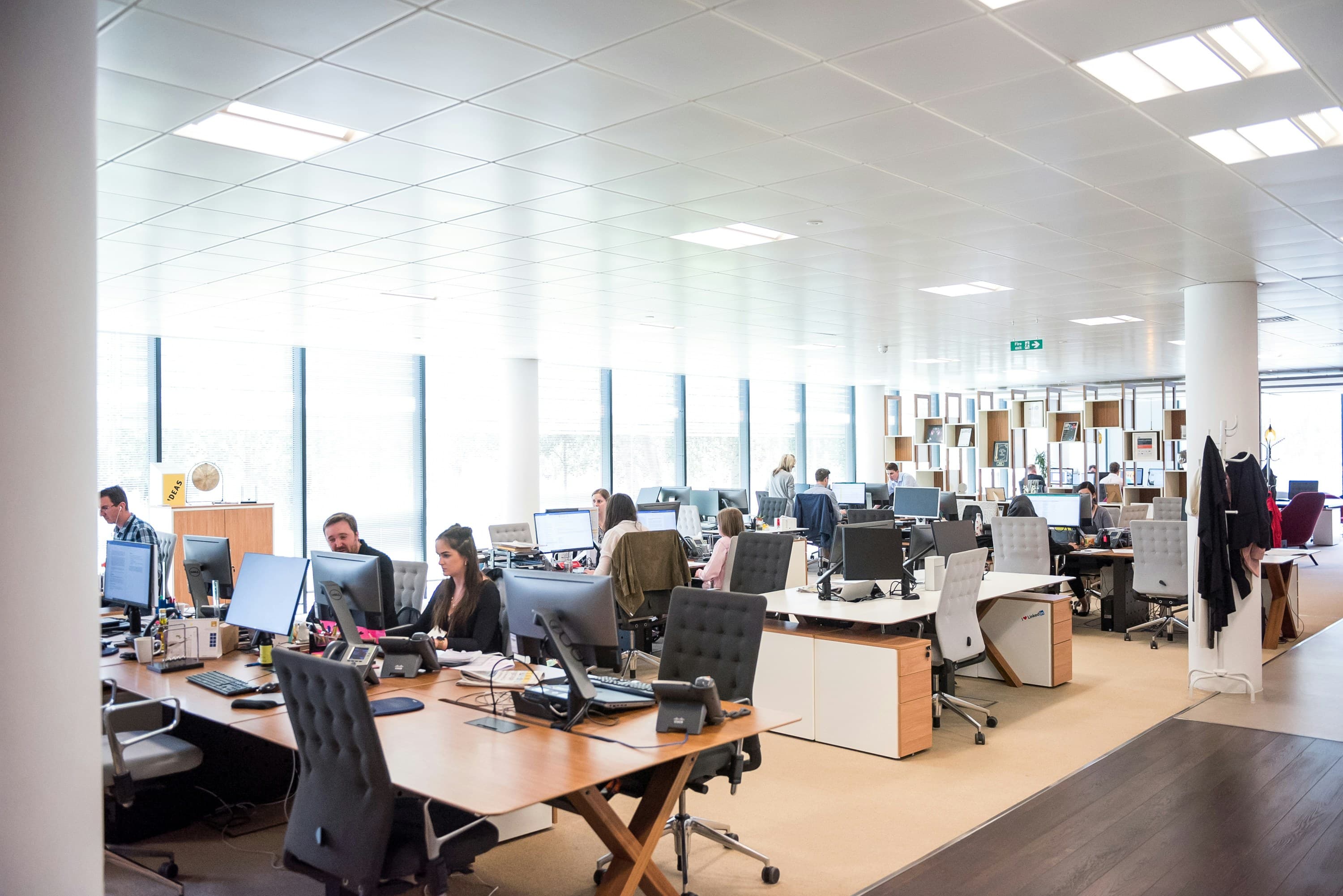
Premium office buildings in NYC get talked about constantly, but "nicest" means different things depending on who you ask. A traditional law firm wants marble lobbies and a Park Avenue address. A Series A startup wants something different: raw exposed brick, high ceilings, a building that photographs well for recruiting, and a landlord who won't demand a 10-year lease.
For founders, the best office buildings in New York City tend to check these boxes:
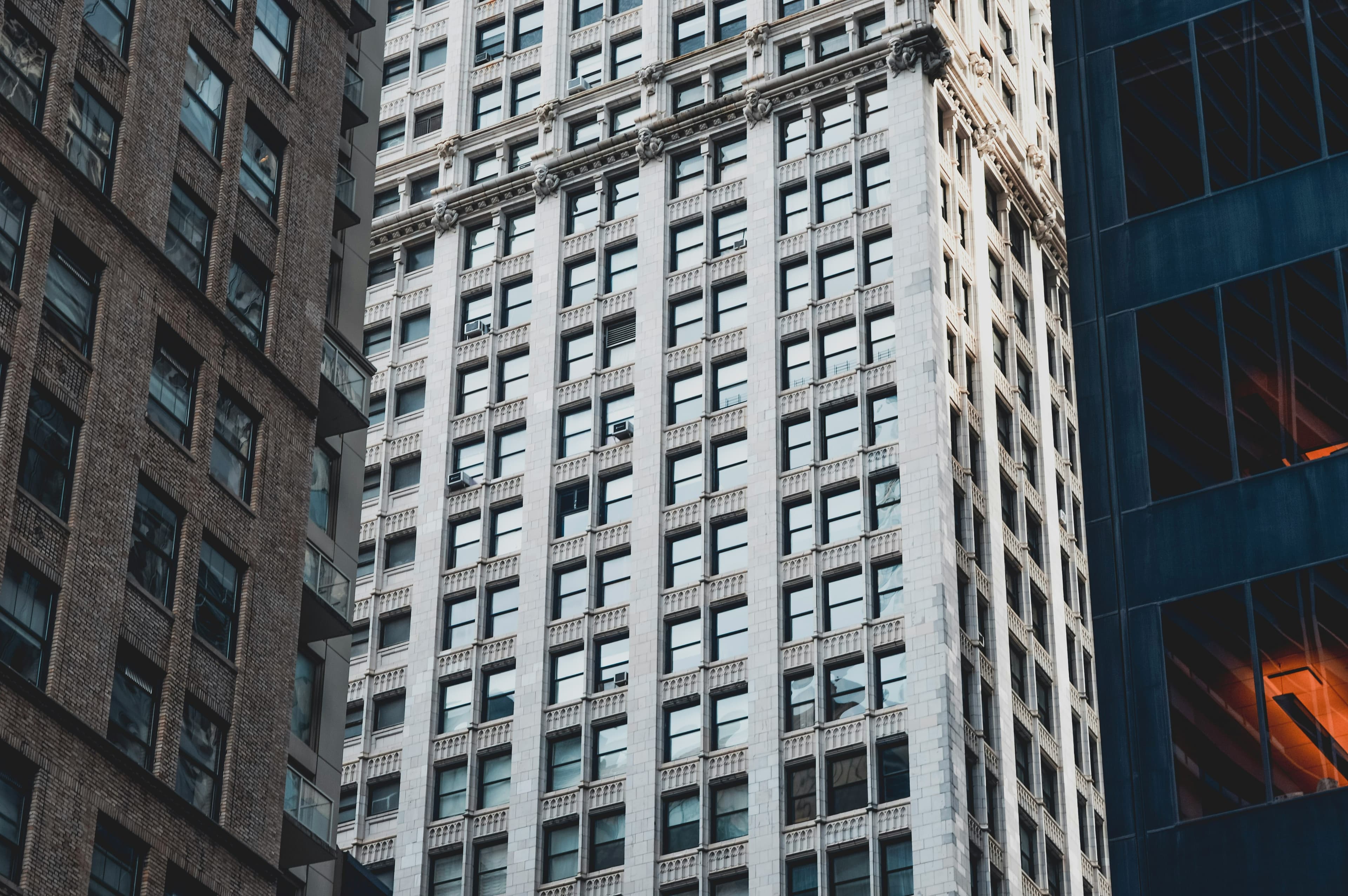
- Architecture and character: Pre-war loft buildings, cast-iron facades, or thoughtfully renovated Class A properties. Not generic glass towers.
- Natural light: High ceilings and oversized windows — a major factor in team morale and recruiting.
- Lobby and common areas: A lobby that impresses a job candidate or Series B investor on their way to your floor.
- Building amenities: Rooftop access, a café or restaurant in the building, fitness center, bike storage, and reliable freight elevators for move-in.
- Infrastructure: Fiber internet options, modern HVAC, and after-hours access without surcharges.
- Location: Walking distance to transit, lunch spots, and other startups.
Premium NYC office space in the best buildings costs real money — but it's often worth it when you're hiring aggressively or trying to land enterprise clients who will visit your office. The buildings in this guide represent the top of what's available for startups that want a leased private office, not a desk in a coworking space.
---
Which NYC Neighborhoods Have the Nicest Office Buildings?
Not every Manhattan neighborhood offers the same caliber of building stock. Here's how the major startup corridors stack up when you're looking for the nicest office building in NYC.
Flatiron and Union Square
Flatiron is the epicenter of NYC's startup scene, and the building stock reflects it: dense, varied, and genuinely impressive. Pre-war loft buildings with original hardwood floors and 12-foot ceilings sit next to fully renovated boutique office properties with modern HVAC and fiber infrastructure. Rents typically run $70–$90/sqft/year for private leased space in the nicest buildings. Inventory moves fast — if you see something you like, expect to move within days, not weeks.
SoHo and NoHo
SoHo and NoHo have some of the most visually striking office buildings in New York City. Cast-iron architecture, wide-plank floors, dramatic loft volumes — the kind of space that makes for a spectacular recruiting backdrop. The tradeoff: supply is limited, rents are premium ($75–$95/sqft/year in top buildings), and landlords in historic buildings can be particular about tenant fit. If you land one of these spaces, it tends to define your brand.
NoMad and Chelsea
NoMad and Chelsea sit just north and west of Flatiron and offer slightly more competitive pricing — typically $60–$80/sqft/year — with a mix of boutique loft buildings and newer renovated properties. A strong secondary option if you want a premium address without paying peak Flatiron prices.
Tribeca
Tribeca has genuine architectural character: converted warehouse buildings, timber-and-beam interiors, cobblestone streets, and a quieter, more established feel. Inventory is limited and demand is high, which keeps rents elevated ($70–$90/sqft/year). Great for later-stage startups and professional services firms that want character without the Flatiron foot traffic.
Midtown
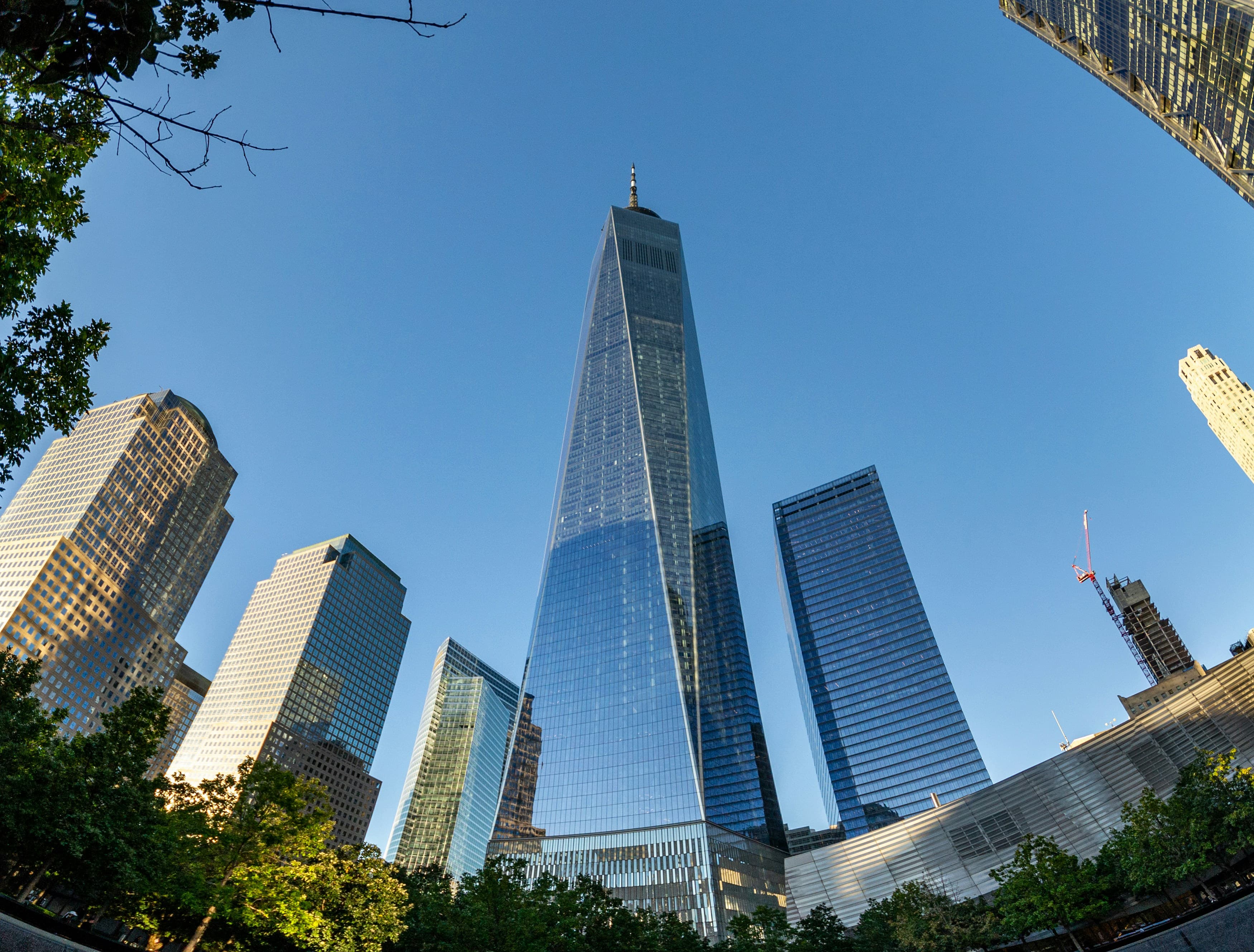
Traditional Class A office buildings in Midtown — Rockefeller Center, Hudson Yards, Park Avenue — are technically among the most prestigious addresses in the world. But for early-stage startups, the scale, lease terms, and corporate atmosphere are usually a mismatch. Better for Series B+ companies with enterprise clients who expect a traditional setting.
---
What Do the Nicest Office Buildings in NYC Actually Cost?
Here's a realistic breakdown of what you'll pay for private leased space in premium NYC office buildings, by neighborhood:
|
Neighborhood |
Typical $/sqft/year |
Lease Term Minimum |
Vibe |
|---|---|---|---|
|
SoHo / NoHo |
$75–$95 |
24-36+ months |
Historic loft, cast-iron, high-end |
|
Tribeca |
$70–$90 |
24-36+ months |
Warehouse character, quiet, limited |
|
Flatiron / Union Square |
$70–$90 |
36+ months |
Startup core, fast inventory |
|
NoMad / Chelsea |
$60–$80 |
24-36+ months |
Boutique loft, slightly more value |
|
Midtown (Class A) |
$65–$100+ |
36+ months |
Corporate prestige, large floor plates |
|
DUMBO / Williamsburg |
$50–$70 |
24-36+ months |
Brooklyn creative, character spaces |
For sizing, use 120–150 sqft per person as your baseline. A 10-person team typically needs 1,200–1,500 sqft. At $80/sqft/year in a Flatiron loft building, that's roughly $8,000–$10,000/month in rent — plus utilities, cleaning, and internet depending on the lease structure.
Most premium NYC office leases are full service gross or modified gross, meaning most operating costs are bundled into your base rent. Confirm what's included before you sign. HVAC overtime, after-hours access fees, and building security upgrades are common surprise costs in older landmark buildings.
For security deposits: expect 3 months upfront with a Good Guy Guarantee. Without a personal guarantee, deposits in premium buildings can run 4–6 months. For a deeper look at how the NYC leasing process works end to end, see strategic leasing for startups in NYC.
---
Amenities Worth Paying For (and What to Confirm Before You Sign)
When you're comparing the nicest office buildings in NYC, amenities matter beyond the obvious. Here's what to evaluate:
Building-level amenities (worth paying for):
- Attended lobby with a receptionist or security desk — signals professionalism to visitors
- A café, restaurant, or grab-and-go food option in the building or on the ground floor
- Rooftop or outdoor terrace access for team events
- Fitness center or bike storage (strong recruiting signal)
- Conference center or shared event space that tenants can book
Infrastructure (non-negotiable):
- Multiple fiber internet providers with in-building conduit — avoid buildings where you'd have to pay for a new fiber run
- Reliable HVAC on-demand; in older buildings, confirm the hours and overtime rate
- Modern elevators that can handle your move-in and future growth
- ADA-compliant access throughout
Lease flexibility:
- The best landlords in premium buildings will negotiate on term, TI (tenant improvement) allowance, and renewal options
- Ask about expansion rights, especially if you're at 10 people now and expect to hit 25 within 18 months
The U.S. Small Business Administration counts your business location among the most consequential early decisions a startup makes. In NYC, that decision is also an asset: a premium office address in a landmark building carries real recruiting and brand value that a virtual address or coworking hot desk can't replicate.
---
How to Actually Get Space in NYC's Best Office Buildings
The nicest office buildings in New York City don't sit on Zillow. Most high-quality private office inventory moves through relationships — building owners, tenant rep brokers, or platforms like Tandem that have ongoing visibility into available suites before they hit the broader market.
The typical process for a private lease in a premium building:
- Define your requirements: Headcount, size range, target neighborhoods, budget, and timeline.
- Tour spaces: Expect to see 5–10 options before shortlisting. Premium buildings often require pre-qualification before a tour.
- Submit an LOI (Letter of Intent): A non-binding document outlining your proposed terms — rent, term, deposit, TI allowance, and key lease dates. This is where negotiation starts.
- Negotiate the lease: In premium buildings, you can often push on TI allowance, rent abatement in early months, and personal guarantee terms. Don't skip this step — even a month of free rent on a $10,000/month lease is $10,000 back in your pocket.
- Sign and build out: Full buildout timelines in premium spaces can run 4–12 weeks depending on scope.
NYC's Department of City Planning classifies commercial space under specific zoning categories — worth knowing if you're evaluating a loft building in a historically residential zone or a ground-floor retail-to-office conversion.
Before you start touring, read how to estimate office square footage for a scaling team to think through how much space you'll actually need as your team scales.
You can also browse private offices on Tandem to browse available private office listings in Flatiron, SoHo, NoMad, and other top neighborhoods right now.
---
Alternatives to a Direct Lease in a Premium Building
Full private leases in the nicest office buildings in NYC are the gold standard — but they're not always accessible to early-stage teams. Two common alternatives:
Subleases in Premium Buildings
Subleases let you take over another company's existing lease in a building you might not otherwise access as a small tenant. You can land space in a Tribeca warehouse or Flatiron loft without the same landlord scrutiny as a direct deal. The constraint: the term is fixed (you're inheriting someone else's expiration), and the landlord still has to approve the transfer. Subleases can move faster than direct leases — often 2–4 weeks from LOI to keys.
Shared Spaces in Premium Buildings
Some companies that already occupy a great floor in a great building will share part of their space with one or two other companies. This is different from coworking — you're not sharing desks or amenities with strangers. You get a dedicated, private section of the floor with a simple agreement, often month-to-month or with 3–6 month terms. It's a legitimate way to get into a high-quality building faster and with less capital upfront. Just understand that you're a subtenant in spirit, without the same negotiating leverage as a direct lease.
U.S. Bureau of Labor Statistics data on establishment size shows the majority of U.S. businesses have fewer than 20 employees. Most startups entering the NYC office market are small tenants trying to access buildings designed for larger ones. Shared spaces and subleases exist precisely to bridge that gap.
---
What to Watch Out for in a Prestigious NYC Building
The nicest office buildings in New York City come with real tradeoffs founders often don't see coming:
- Historic building constraints: Landmark buildings may limit what you can do with the space — no core drilling, limited signage, restrictions on HVAC modifications. Beautiful buildings are sometimes inflexible ones.
- HVAC overtime charges: Many premium buildings charge $50–$150/hour for HVAC outside standard business hours. If your team works late, this adds up fast.
- Rent escalation clauses: Multi-year leases in the best buildings often include annual rent increases of 2–4%. Model this out before you sign.
- Personal guarantees: Smaller startups without years of financials may face pressure to sign personal guarantees in premium buildings. A Good Guy Guarantee is a reasonable compromise — it limits your exposure if you vacate and give proper notice.
- Buildout lead times: Prestigious landlords in high-end buildings often require approved contractors and pulled permits for any improvements. Factor 6–12 weeks for a meaningful buildout.
- Rentable vs. usable sqft: A 2,000 rentable sqft suite in a historic building with thick masonry walls and an odd layout can feel smaller than a 1,800 sqft modern open floor plate. Always visit in person.
The NYC Real Property Law framework governs commercial lease disputes — it's worth having a real estate attorney review any lease in a premium building before you sign, particularly for multi-year terms.
---
Where to Start Your Search
The nicest office buildings in NYC are concentrated in a handful of neighborhoods — Flatiron, SoHo, NoHo, NoMad, Tribeca, and select parts of Midtown — and the best spaces go quickly. If you want private leased office space that signals quality to investors, clients, and candidates, these are the buildings worth pursuing.
Tandem specializes in exactly this segment: premium NYC office space for growing companies, with a concierge process that covers sourcing, touring, LOI drafting, and lease negotiation at no cost to you (Tandem is paid by the landlord). browse private offices on Tandem to see what's currently available in top Manhattan buildings.
Last updated: March 2026