
FIDI
$18,750/mo
18-36 people
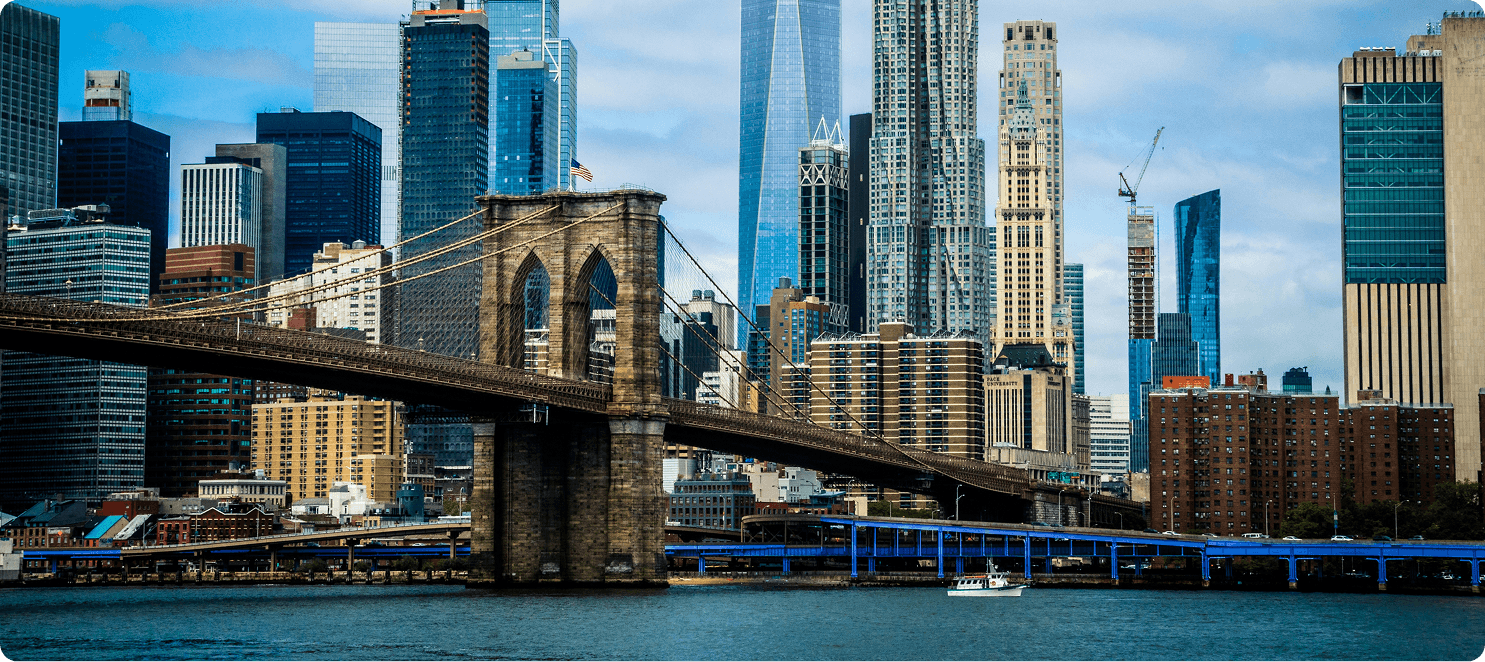
What defines office space in the Financial District today? Downtown scale at a discount to Midtown. The Financial District is Lower Manhattan's office core, from the Battery north toward City Hall. Wall Street, the World Trade Center, and the Seaport sit in the same grid. Class A towers such as 1 World Trade Center and 55 Water Street stand next to older Class B buildings that still lease full floors and partial floors. Finance, law, and government remain the core tenants. The same buildings now work for teams that want a downtown Manhattan address without a Midtown rent. In the first half of 2026, FiDi was one of the lowest-priced Manhattan neighborhoods for startup-scale suites under 5,000 square feet, grouped with the Garment District. Asking rates for offices of that size ran from $35 per square foot per year in the Garment District to $93 in Tribeca. The Manhattan median was $64.
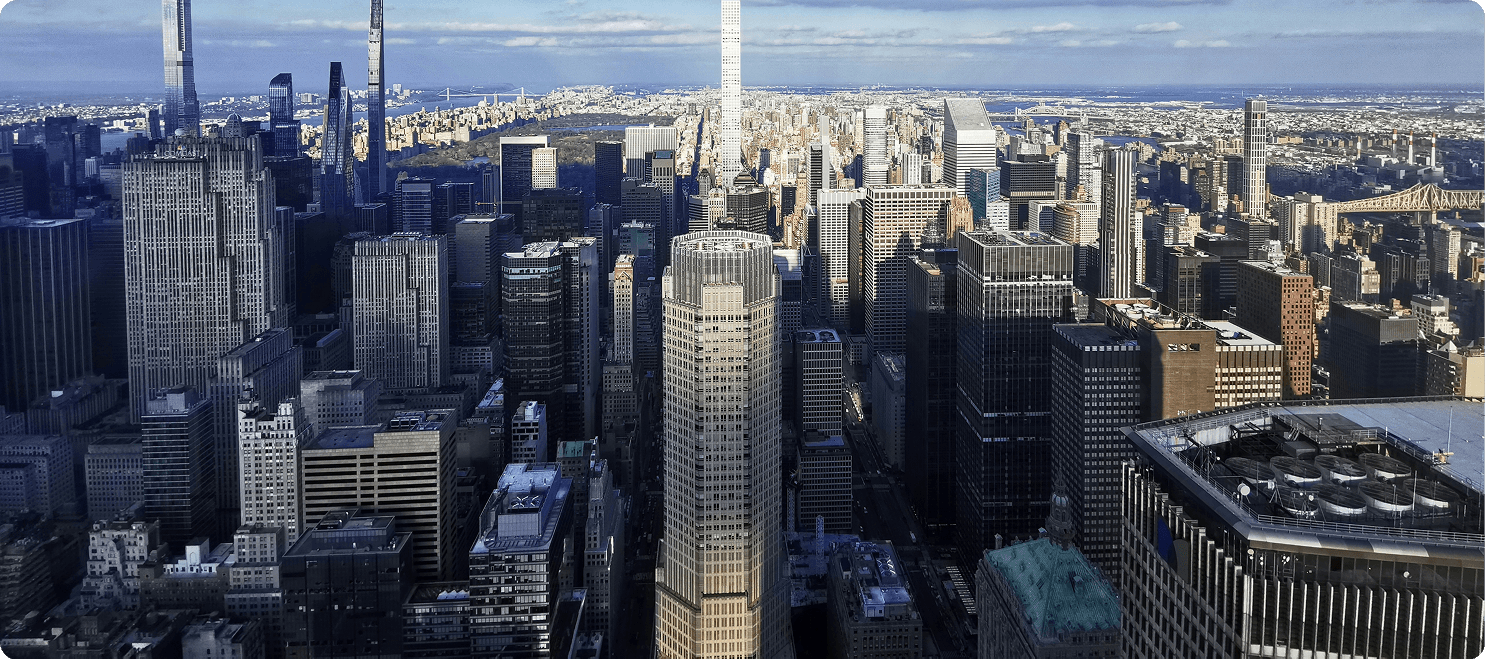
How much does Financial District office space cost? Class B towers typically fall around $43–$63 per square foot annually. Class A space at 1 World Trade Center and 55 Water Street tends to rent around $57–$120 per square foot. Effective rents typically run 25–40% below Midtown, where Grand Central corridor Class A space typically falls around $100–$120 per square foot. On a longer lease, FiDi landlords are among the most aggressive in Manhattan. Twelve to sixteen months of free rent is available, and a five-year term can include a build-out allowance that covers a turnkey office. Smaller suites told a similar story in the first half of 2026. The median asking rate for offices under 5,000 square feet across Manhattan was $64 per square foot per year, and the range ran from $35 in the Garment District to $93 in Tribeca. FiDi was one of the two lowest-priced neighborhoods in that set, and it is still searched less than the inventory would suggest. Teams that will trade a loft for a lower monthly number have more choice here than in Flatiron or SoHo. Trophy addresses and value floors sit within a few blocks of each other.

What does the workday feel like around Financial District office space? Quieter than Midtown, and more practical than the skyline suggests. Lunch is a short walk: Stone Street, the Seaport, the food hall at Brookfield Place, and the shops in the Oculus. Coffee does not require a plan. A client lunch can stay inside the district. The waterfront is the change of pace. Battery Park, the Esplanade, and the ferries at Pier 11 and the Staten Island Ferry terminal sit at the edge of the grid. The neighborhood is less theatrical than SoHo. It is consistent. FiDi used to empty after the closing bell. Lower Manhattan now has a year-round residential population, and restaurants, bars, and retail run through the evening and the weekend. During the workday, the streets are still less congested than Midtown.
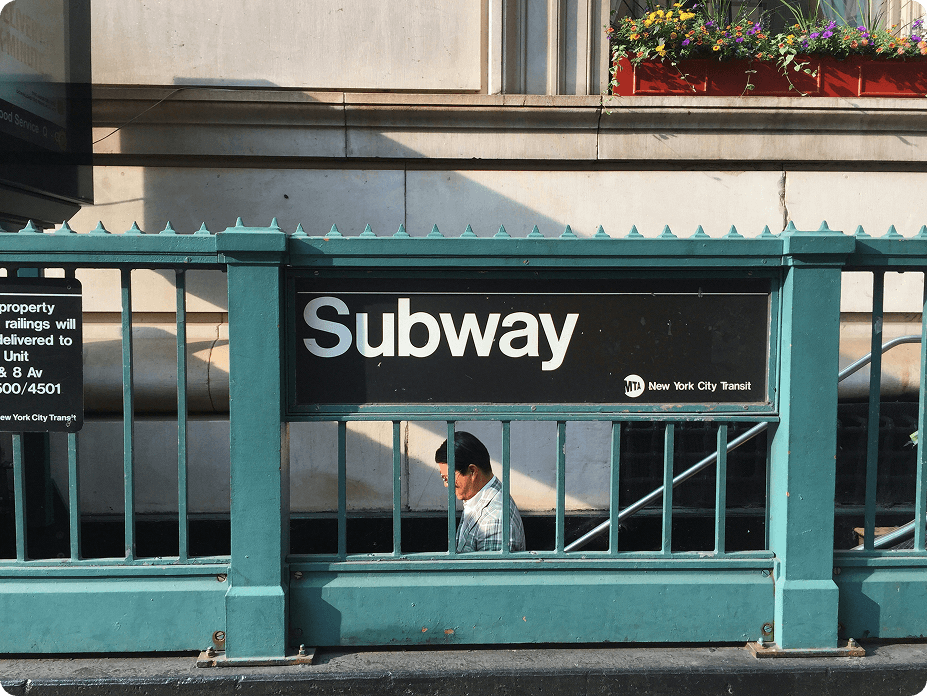
Is office space in the Financial District easy for a regional workforce to access? Yes. That is the structural advantage. Fulton Center connects the 2, 3, 4, 5, A, C, J, and Z trains. The R and W are a short walk away at Cortlandt Street, through the World Trade Center complex. The PATH at the World Trade Center reaches New Jersey. The Staten Island Ferry terminal is at the water. Pier 11 ferries cover Brooklyn, Queens, and Weehawken. For a team hiring across the boroughs and the tri-state area, the commute lands inside a few blocks of the office.
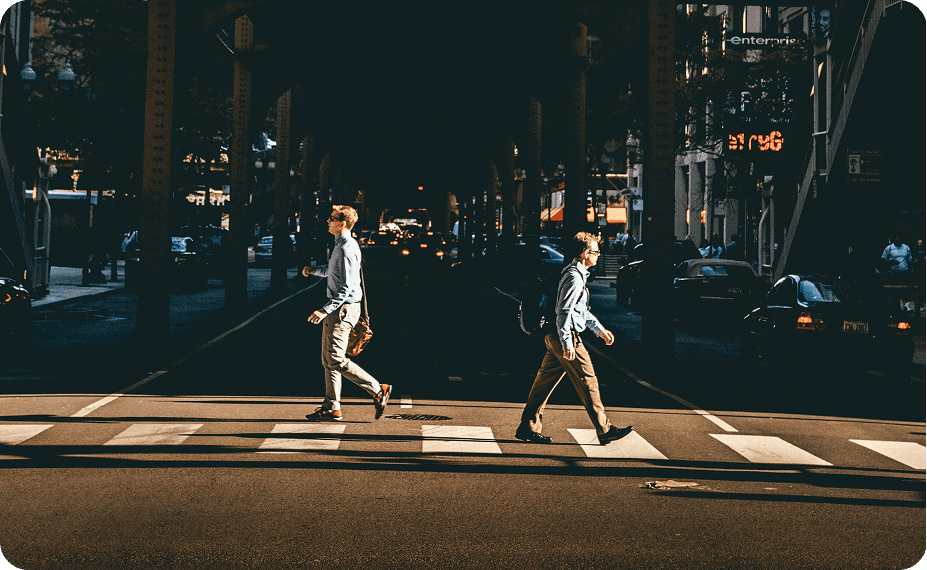
How walkable is Financial District office space day to day? The blocks are short. Wall Street, Broad Street, Broadway, and Water Street put a meeting, lunch, and the subway inside the same walk. Sidewalks fill at rush hour and thin out by midmorning. You can leave a tower lobby and be at Fulton Center, the Oculus, or the Seaport without planning a route. Battery Park and the waterfront are the long walk. Everything else is a short one. The district was built for people moving between buildings. That is still how it works.
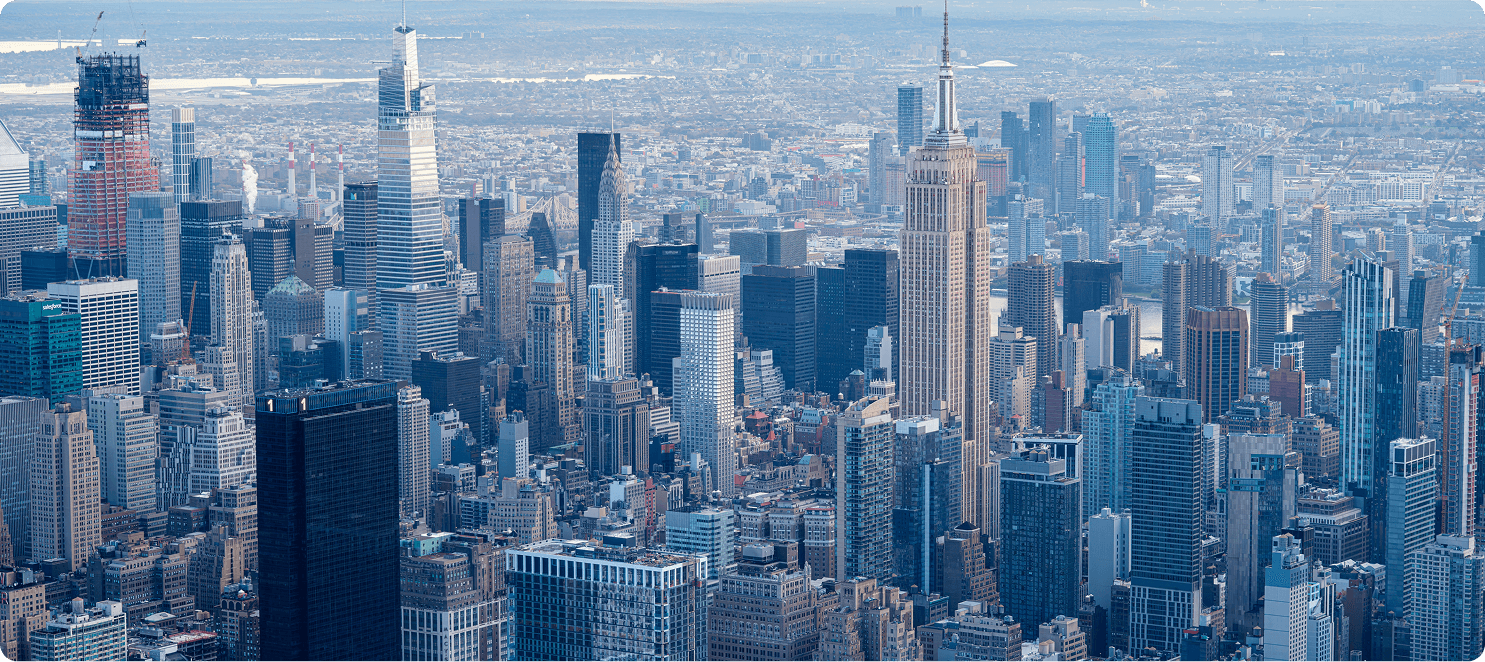
Why do companies stay clustered in the Financial District? Because the address still means finance, and there is enough inventory to move without leaving the neighborhood. FiDi is the largest downtown office cluster in New York City. Banks, law firms, exchanges, insurers, and government agencies share the streets with nonprofits and with companies that chose the rent over Midtown or a loft. 1 World Trade Center, 55 Water Street, 28 Liberty, and Brookfield Place are the trophy end. Older towers a few blocks away still lease partial floors. An address here does not depend on a trend cycle. It says the company is downtown, on purpose.